




The 2026 wedding season is expected to reflect a clear shift in how jewellery is approached. It is no longer driven solely by scale or tradition, but by thoughtful styling, versatility and long-term usability. Jewellery is being chosen not just for the occasion, but for how it performs across multiple moments.
At the centre of this shift is a design-first approach, where pieces are both visually impactful and practically wearable.
Statement jewellery is being reimagined
Chokers paired with layered necklaces, particularly in Polki and Kundan, are expected to remain dominant. However, the emphasis will be on achieving a sense of grandeur without excessive weight. Brides are increasingly prioritising jewellery that photographs well, remains comfortable through extended ceremonies and delivers a strong visual presence.
Jadau and antique finishes are also set to see renewed relevance, especially for traditional ceremonies, but with more refined and balanced styling.
A shift toward lightweight design
Heavy jewellery is not disappearing, but its role is evolving. Brides, bridesmaids and guests are likely to prefer lighter, re-wearable pieces that extend beyond the wedding. Detachable elements, stackable designs and adaptable jewellery will become more prominent.
This reflects a broader move toward practical luxury, where comfort and repeat usability are key considerations.
Softer colour palettes
As bridal fashion continues to incorporate pastel tones and softer palettes, jewellery will follow a similar direction. Gemstones such as aquamarine, rose quartz and subtle emerald combinations are expected to complement traditional gold tones.
The overall aesthetic is moving toward a more refined and balanced look.
The evolving mangalsutra
The mangalsutra is being reinterpreted as a piece of everyday jewellery. Sleeker chains, minimal pendants and understated detailing are expected to define its evolution, making it more adaptable to contemporary lifestyles while retaining its symbolic value.
Groom jewellery gains importance
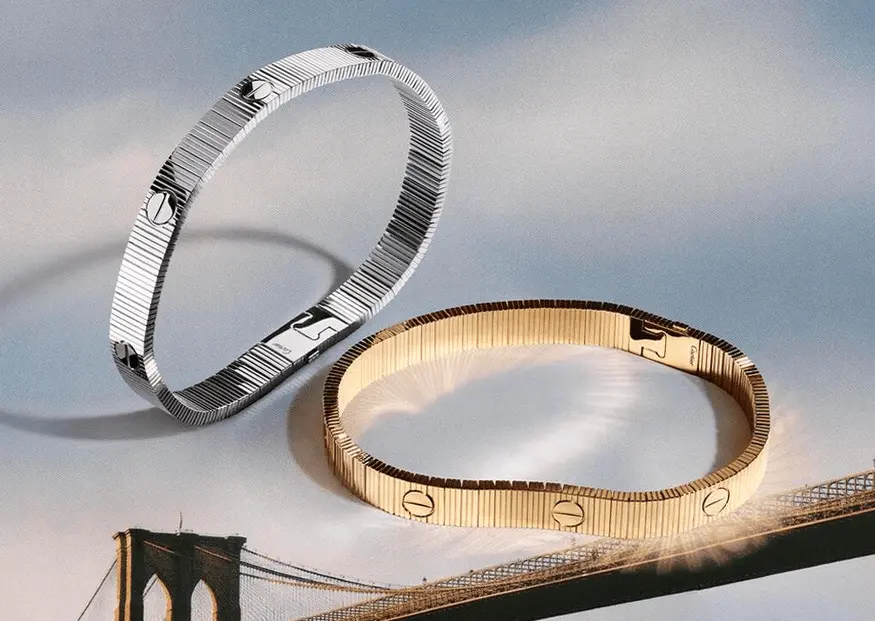
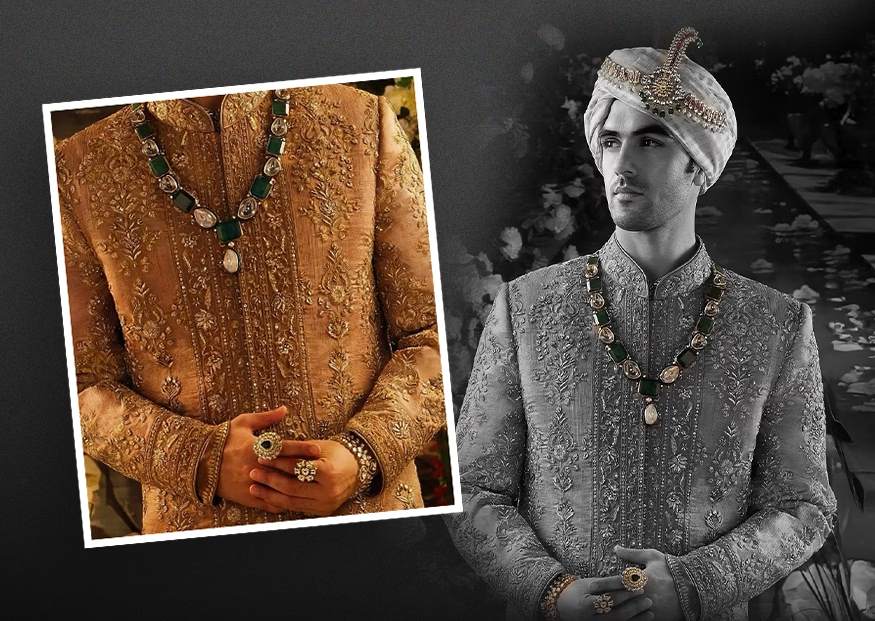
Groom jewellery is becoming a considered part of wedding styling. Structured Kanthi malas, brooches, decorative button sets and minimal bracelets are emerging as key elements.
The focus remains on balance and proportion, ensuring that jewellery complements the sherwani rather than overpowering it. This shift reflects a growing awareness of complete and cohesive styling for grooms.
Styling as a strategic choice
Another defining trend is the move from purchasing single heavy sets to curating jewellery across different functions. Brides are expected to select distinct pieces for mehendi, sangeet, wedding and reception, creating coordinated looks rather than relying on one set throughout.
Final Take
Wedding jewellery in 2026 is set to reflect a more considered consumer mindset. The emphasis is on combining design, comfort and long-term value. Jewellery is no longer limited to occasion wear but is increasingly seen as part of a broader, wearable collection.
This evolution highlights how the industry is aligning more closely with modern lifestyles while maintaining its connection to tradition.