



Annual Exhibition of Jewellery by Graduating Students, IIGJ Mumbai
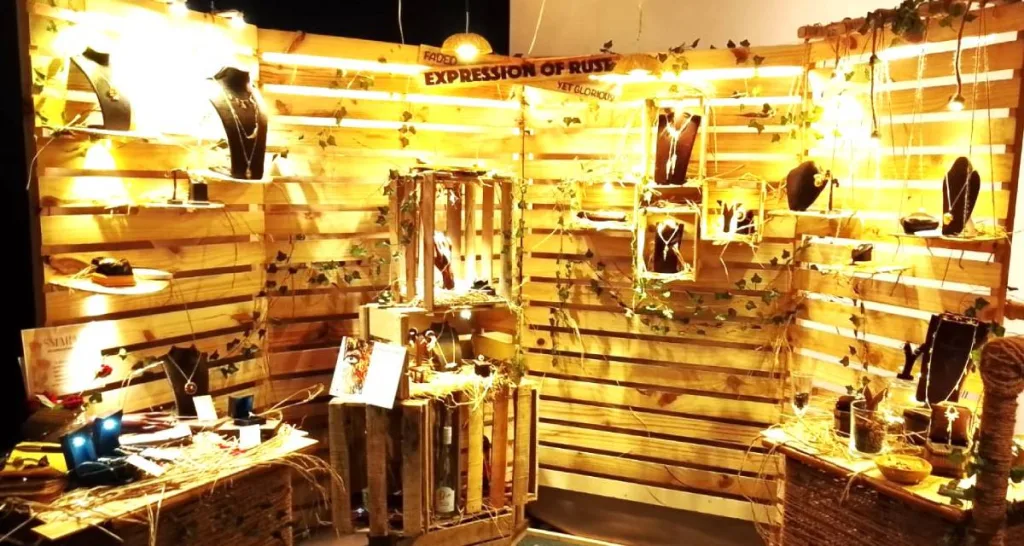
Dates: 7th to 9th July 2022 The eagerly awaited annual exhibition of the Indian Institute of Gems & Jewellery (IIGJ) Mumbai, known as Glimpz, was inaugurated on 7th July 2022, at IIGJ Campus, MIDC, Andheri East, Mumbai 400093. Each year the Glimpz exhibition showcases brilliant, trendsetting designs created by graduating students of the prestigious institution. Each design on display not only undergoes a rigorous process of evaluation by in-house faculty but is also assessed by renowned industry experts. Theme: This year’s theme for the Batch 2019-2022 was “Nisarga…Unveiling Nature”, based on creative exploration of the awe-inspiring wonders of nature. At the beginning of the project, students were divided into 6 groups and given themes: Texture Nouveau, Extraterrestrial, Expression of Rust, Bio-Essence, Ombré Oeuvre and Geometric Haul. They were encouraged to get their inspiration from nature. From visualisation of each of their 5 pieces of jewellery to manufacturing and finishing their products and displaying them in unique ways. 2 of the 5 pieces are handmade and the balance 3 are made by casting. IIGJ’s long-standing connection with the industry was further strengthened by 2 renowned gem and jewellery companies providing support: 1. Kamaschachter – Mentored the students for design development according to industry standards, and, 2. Sun Jewels –Sponsored the CAM part of the production process. Award Categories and Winners: Best Design Collection – Ms. Prachi Shah Best Craftsmanship (Handmade) – Ms. Sanjana Singha Best Craftsmanship (Casted) – Mr. Aman Agarwal Best Commercially Viable Collection – Ms. Hriti Kothari & Ms. Aboli Sharma Best Innovative Product (Pendant & Ring) – Mr. Suryansh Garg Best Visual Merchandising (Group) – Extraterrestrial (Ms.Heer Shah, Ms.Vaishnavi Divate, Mr.Sourav Rana, Ms.Ayushi Dhariwal, Ms.Diya Rathod and Mr.Suryansh Garg) Best Lookbook – Ms. Diya Rathod Chief Guest Mr. Colin Shah, Chairman, GJEPC: Speaking at the Awards Ceremony held on 9th July 2022, Mr. Colin Shah said, “I am happy to know that there has been an inclusive effort from the institute and other stakeholders to train the students and make them ready for the industry. I am impressed with the skills exhibited by the graduating students setting benchmark for the future graduating students.” Members of the Jury Panel: Ms. Nirupa Bhatt, Consultant and Coach to the gems & jewellery industry, Ms. Sonia Grinceri, who was the Regional Director of the Western Australian Government Trade and Investment Office, India from 2001 to 2006. She started her career as a high school teacher in Australia and has been passionate about education since. She expressed her admiration for the well-designed curriculum at IIGJ. Mr. Dharmesh Rathod, Merchandiser (Product Development), Malabar Gold & Diamonds. RECENT NEWS IIGJ Mumbai’s Inaugural Alumni Reunion Celebrates Outstanding Achievements at IIJS Premiere 2023 Graduating Designers of IIGJ Mumbai Celebrated at Prestigious Awards Ceremony at IIJS Premiere 2023 Launch Pad Tuhin Ghosh, IIGJ Mumbai Final Year Student Selected as First Runner Up at the Artisan Awards 2023 Article in JewelBuzz-4th March 2023 re. PG5, 6, 7 Convocation ceremony Feature on IIGJ Mumbai Students’ creations in SVAR-February 2023 HOI’s interview in SVAR-February 2023
Revolutionising Gems & Jewellery Education: A Closer Look at IIGJ Mumbai

IIGJ Mumbai graduates celebrating Indian Institute of Gems & Jewellery (IIGJ) Mumbai stands as a centre of excellence in the gems and jewellery industry, providing comprehensive education and training to aspiring professionals. Established in 2003 under the auspices of the Gem & Jewellery Export Promotion Council (GJEPC), IIGJ Mumbai has continually strived to meet the evolving needs of the industry and produce skilled individuals who contribute to its growth. With its state-of-the-art infrastructure, industry-oriented curriculum, and collaborations with leading stakeholders, IIGJ Mumbai has earned a reputation as a premier institution that equips students with the knowledge, skills, and practical experience necessary to thrive in the competitive world of gems and jewellery, Bharat Vaswani, Head of the Institute, tells Solitaire. Please provide an overview of the IIGJ Mumbai and its role in the industry? Indian Institute of Gems & Jewellery (IIGJ) is an initiative of the Gem & Jewellery Export Promotion Council (GJEPC). The Mumbai centre was setup in 2003 and is located in MIDC, near SEEPZ. The institute was created with a vision to provide comprehensive education and training in jewellery design, gemmology, manufacturing, and merchandising. Over the years, IIGJ Mumbai has earned a reputation for its exceptional teaching, state-of-the-art infrastructure and industry-oriented curriculum. The IIGJ Mumbai campus is a testament to the institute’s commitment to providing students with an environment conducive to learning. Equipped with modern CAD laboratories, gemstone library, design studios and manufacturing workshop, students have access to cutting-edge facilities that foster practical learning. These resources allow students to gain hands-on experience in gemstone identification, jewellery manufacturing techniques and the latest design trends. IIGJ Mumbai offers many different courses tailored to meet the demands of the ever-evolving gem and jewellery industry. With an option to choose from short-term certificate courses and comprehensive undergraduate and postgraduate programmes, students have the opportunity to choose a path that is aligned with their interests and career aspirations. The curriculum blends theoretical knowledge with practical training, ensuring that students are well-equipped to enter the industry with confidence. Recognising the importance of industry exposure, IIGJ Mumbai has forged strong ties with leading jewellery houses, gemstone dealers, and manufacturers. The institute regularly organises workshops, seminars and guest lectures by industry experts, enabling students to gain insights into the latest trends, technologies, and market dynamics. Furthermore, IIGJ Mumbai facilitates internships and placements, providing students with invaluable real-world experience, thereby enhancing their employability. With access to modern design software and guidance from experienced faculty, students are empowered to create innovative and exquisite jewellery pieces that reflect their artistic vision and have been consistently well-received by the industry. IIGJ Mumbai focuses on cultivating an entrepreneurial mindset among its students. The institute offers courses and workshops on jewellery entrepreneurship, providing students with the knowledge and skills required to start their own jewellery businesses. With its unwavering commitment to quality education and industry-oriented training, IIGJ Mumbai has played a vital role in shaping the future of the jewellery industry in the past and will continue to do so in future. Two-finger ring by Vaishnavi Divate Earrings by Dev Mudgal What are some of the key initiatives taken by IIGJ Mumbai to produce trained professionals in the gems and jewellery sector? The gems & jewellery sector is a significant contributor to India’s economy, renowned for its rich heritage and craftsmanship. By providing comprehensive education and training programmes, IIGJ Mumbai is empowering individuals to excel in this thriving industry. In order to meet the industry’s growing demands for skilled professionals, the IIGJ Mumbai has undertaken several key initiatives, few of which are: Robust Curriculum and Course Offerings: IIGJ Mumbai has developed a comprehensive and industry-oriented curriculum to equip students with the necessary knowledge and skills. The curriculum is regularly updated to stay aligned with the latest trends, techniques, and technologies used in the industry, ensuring that students receive relevant and up-to-date education. State-of-the-Art Infrastructure and Learning Environment: IIGJ Mumbai provides an environment that is conducive to learning, with modern facilities and infrastructure. The institute has well-equipped classrooms, advanced gemmological laboratories and gemstone identification centre, design studios, computer-aided design (CAD) labs and a manufacturing workshop. This enables students to gain hands-on experience with industry-standard tools, machinery and software thereby enhancing their practical skills and understanding. Industry-Expert Faculty: IIGJ Mumbai boasts of a teaching team of experienced and highly skilled faculty members who are industry experts as well. These faculty members bring in-depth knowledge, industry insights and real-world experience to the classroom, enriching the students’ learning experience. The faculty’s expertise helps bridge the gap between theoretical concepts and practical applications, preparing students for the challenges of the industry. Immersive Industry (Factory/Retail Setups) Visits: The students are exposed to real-life jewellery manufacturing setups to experience and learn industry practices adopted for limited-edition as well as mass produced jewellery. Visits to retail setups help the students understand the importance of the art of storytelling involved in the sale of manufactured jewellery pieces. Internship and Industry Collaborations: Collaborations with reputed jewellery companies helps provide students with industry exposure and practical experience. This also benefits IIGJ Mumbai and industry organisations. The institute facilitates internships, enabling students to work with industry professionals, understand workflow processes and gain hands-on experience. These collaborations also create networking opportunities, enhancing students’ prospects for employment after graduation. Skill Development Workshops and Seminars: IIGJ Mumbai organises regular skill development workshops, seminars and guest lectures featuring renowned experts from the gem and jewellery industry. These events cover a wide range of topics, including gemstone grading, jewellery manufacturing techniques, market trends and business management. Such interactive sessions provide students with valuable insights, foster creativity, and enhance their understanding of the industry’s nuances. Career Placement Assistance: IIGJ Mumbai provides dedicated support for career placement to its students. The institute maintains strong ties with leading jewellery companies and facilitates campus recruitment drives. Additionally, it offers career counselling, resume building workshops, and interview preparation sessions to equip students with the necessary skills to succeed in job interviews and secure employment in reputed organisations. How does IIGJ Mumbai ensure that its training programmes are aligned with the evolving
ORRA collaborates with IIGJ Mumbai for Retail Trainee Scheme
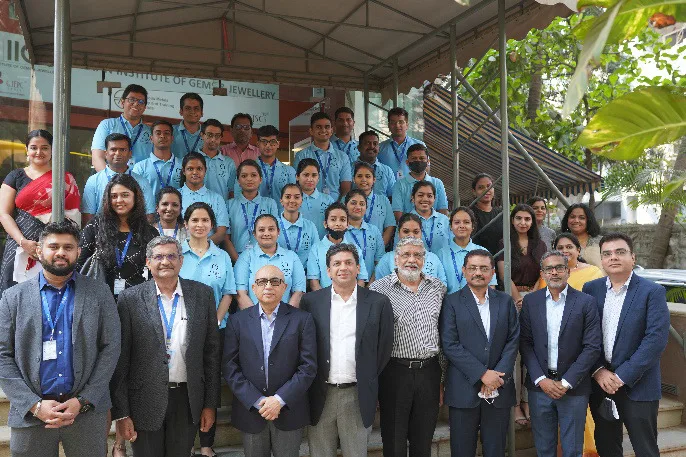
6.3.2021, Mumbai: ORRA Fine Jewellery collaborated with IIGJ Mumbai to deliver its Graduate Retail Trainee Programme.The intensive, 2-week programme from 22nd February to 6th March 2021 was conducted by IIGJ faculty of design, gemmology and manufacturing departments and ORRA sales team members at the Institute. The first batch of 24 students from various locations were trained, certified and placed in various stores of ORRA.
The 5Cs of Coloured Gemstones
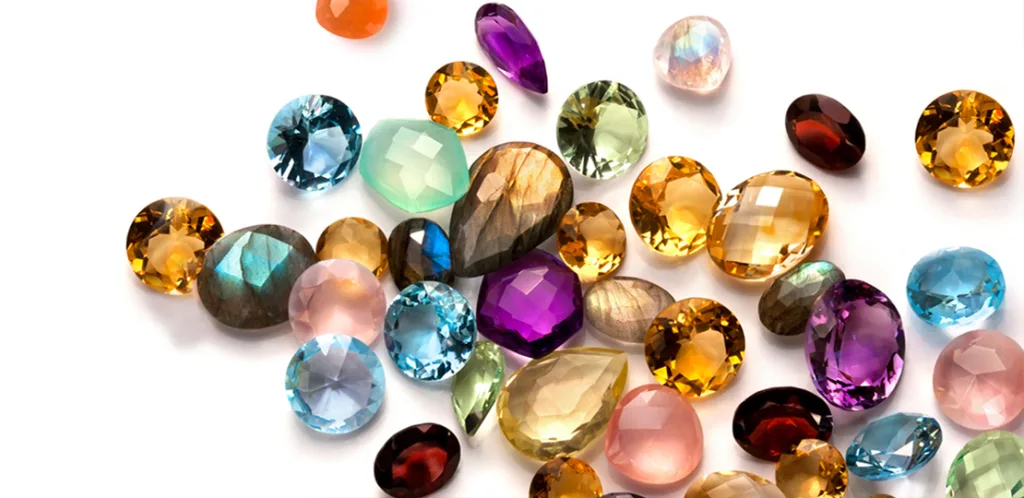
Precious and semi-precious coloured gemstones have graced royal heads to fashionista necklines. They have symbolized status, power, love, and beauty. Coloured gemstones, like diamonds, are also graded by gemmologists based on their characteristics or properties. This basic gemstone grading helps lay the foundation to command special attention and higher pricing for the gemstone. The 5Cs of coloured gemstonesLike diamonds, colour stones also have 5Cs or five characteristics. They are: – 1. ColourColour is the main characteristic of any gemstone. As coloured gemstones are varied and difficult to understand, gemmologists worldwide use standard parameters to grade the colour of the gemstone. Every gemstone colour is evaluated on the basis of three components. These are:- – HueHue is the color reflected by the gemstone and visible to the naked eye. The Gemological Institute of America (GIA) has categorized hues – red (R), orange (O), yellow (Y), green (G), blue (B), violet (V), and purple (P). Almost every primary color of the gemstone falls within one of these hue categories.– ToneTone describes the depth of the color as too light, light, medium, dark, or too dark. The Gemological Institute of America (GIA) assigns a number in the color gem grading code to represent the tone of the gem from light to dark when viewed from the top/table of the gemstone. The value ranges from 0, colorless or white, to 10, black. The tone of the gemstone continues to give it brilliance even when viewed away from direct light.– SaturationSaturation refers to the intensity of the gem’s hue ranging from light to strong and deep to shallow. At GIA, the saturation values range from 1 to 6. Warm hues, such as red, orange, and yellow, become shades of brown as their saturation decreases. Cool hues, like blue and violet, become progressively more gray as their saturation decreases. 2. ClarityClarity is the second most crucial factor when comparing high-quality colored gemstones. It is simply described as – the relative absence of inclusions (materials trapped inside the gem), fractures, and blemishes (surface imperfections) that affect the appearance and structural integrity of a coloured gemstone. Since almost all mined gemstones contain inclusions, it is the size, position, and visibility of the inclusions that impact the overall quality of the stone. GIA has the following clarity grades: –– VVS: very, very small inclusions– VS: very small inclusions– SI1 and SI2: small inclusions– I1, I2, and I3: included– Dcl (déclassé) for cabochons, beads, or carvings.As a general rule, the lesser the inclusions or higher clarity, the better the value of the coloured stone. 3. CutCut plays an important part in determining the value of a faceted gem. The ideal cut enhances the colour, diminishes its inclusions, provides overall symmetry, and/or highlights certain characteristics of the gemstone. There are different cuts in coloured gemstones from round brilliant to hearts, pears, marquise, and more. The main elements that impact these cuts are: –– The outline or symmetry of the stone.– An optimum table.– Alignment of the crown and the pavilion– Shoulders and culet or keel lines.– Girdle thickness and unevenness.It is finally the cut and the polish that determine the overall look and feel of the gemstone. 4. CaratA carat is the standard unit for measuring gem weight. One carat equals 1/5 of a gram or 200 milligrams. As the carat weight corresponds to the density of the gemstone, sometimes two gemstones with the same weight may be very different in size. For example, a one-carat amethyst that has a specific gravity of 2.66 may look bigger than a sapphire with 4.00 specific gravity in the same weight. Thus, buying a coloured gemstone on the basis of carat weight may not make perfect sense. Besides carat weights, coloured gemstones are also set up for millimeter sizes. 5. CostThe price of a colored gemstone may vary from as little as INR 500 per carat to INR 5,00,000 per carat depending upon the gemstones colour, cut, clarity, and carat. But the price is also determined by another factor that is – rarity. Rarity is one of the most decisive factors that determine the cost or pricing of the gemstone. With natural deposits quickly depleting and few mines even closed down it makes the coloured stones from those mines more valuable and sought after. Tanzanites, Burma rubies, Alexandrites, Paraíba Tourmalines, Red Berlyls, and Benitoite are few coloured gems that are difficult to find and very costly too. ConclusionHaving said all of the above, it is equally necessary to know coloured gemstones are often treated to produce intense or light color and/or to improve the overall look and desirability of the gemstone. Emeralds are commonly oiled, sapphires heated, blue topaz and tourmalines irradiated, corals bleached, black onyx dyed, and lapis lazuli impregnated with colorless wax or oil. Thus, before buying a coloured gemstone, consider the treatment and the 5Cs or five characteristics – color, clarity, cut, carat, and cost before investing in the best gemstones for everyday wear or a collectors stone. Visit us at Online Courses to know more.
Know Your Diamond’s Weight, Measurement & Size
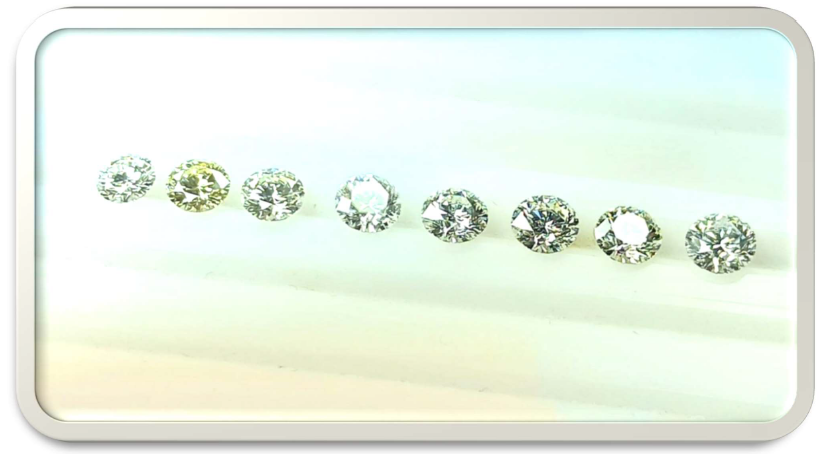
When you know a few basics about diamonds you can confidently pick your diamond jewellery, from the best engagement ring to a diamond eternity band. Often people are unaware of the 4Cs and the basic difference between diamond weight, measurement and size. It is these factors that work together to maximize the beauty and value of a diamond. So, today let’s understand the meaning of the carat and the cut. Understanding diamond weight A carat is a globally recognized standard for the weight of a diamond. In the 4C’s of diamonds – Cut, Colour, Clarity and Carat – carat refers to diamond weight, not its physical size. It is one of the main aspects that influences the price of a diamond. However, two diamonds of equal weight can be unequal in value, depending upon the other 3 specifications i.e. Cut, Colour and Clarity. How did the carat system start?For centuries gem traders used carob seeds to measure jewellery because they believed that there was minimum variance in the distribution of their mass. They used these small and uniform seeds as counterweights in their balance scales to mostly weigh gold. In the 1570s, jewellery traders began to use carob seeds to weigh diamonds as well. Slowly this practice grew, and each country began to adopt its own carat system, but there was no uniformity.In 1907, at the Fourth General Conference on Weights, the modern metric carat was adopted. It was introduced in the USA in 1913, and later spread to other countries as a standard measure for diamonds and other gemstones. Today, in the jewellery trade worldwide, a one carat (1 ct) diamond is equal to 200 milligrams or 0.2 grams. This is a universal measure for gemstones. How carat weight influences diamond valueWhen you divide the price of a diamond by its carats, it gives you its price per carat. The larger the diamond, the more expensive is the per carat weight. In natural large size diamonds, that are rarer than smaller-sized diamonds, as the carat weight increases, the value of the diamond also increases. However, the rise in value is not proportionate to the increase in the size of the diamond. It simply means the diamond prices increase exponentially as carat weight increases.There is also the magic weight that influences the price of diamonds. At a magic weight, the price of a diamond generally shoots up. Therefore, if you are planning to buy a one-carat solitaire engagement ring, it may be a good idea to compare the price with a 0.96ct diamond. There will be a significant price difference between the two stones but a negligible difference in the overall size. The reason is that the one carat (1 ct) size is a magic weight that greatly increases the price of the diamond.Diamonds are weighed very precisely to the nearest 0.01ct. In the diamond trade, another term associated with diamond weight is pointers. A diamond below one carat weight is measured by points, where one carat is equal to 100 ‘points.’ A one-pointer refers to a 0.01 carat diamond. A 50 pointer or half-carat diamond refers to a 0.50 carat stone. On the other hand, a diamond above one carat weight, is described in carats and decimals, e.g. a 2.15cts stone would be described as ‘two point fifteen carats.’Besides the carat weight as described above, the cut, colour and clarity of a diamond also influences the final pricing of the diamond. Magic sizesSome carat weights are considered critical weights or magic sizes. That means if a diamond weighs at any of these critical weights, the price shoots up exponentially, not in a linear fashion. These magic sizes are 0.25ct, 0.50ct, 0.75ct, 1.00ct, 1.50ct, 2.00ct, 3.00ct, 4.00ct, 5.00ct and 10.00ct.For diamonds with equal parameters in the other 3 Cs, the diamond value increases with carat weight mainly because of its popularity and global demand. If you can stay away from the magic sizes when buying diamonds, you can save upwards of 20% and there is no vast visual difference.Diamonds that are not of these magic sizes are called off-size diamonds. What is diamond measurement?The cut is another equally important 4C. When a diamond is in the right proportions it emits maximum brilliance and sparkle. The diamond measurement is basically its size. It includes the shape, cut and the length-to width ratio of the gemstone. The size of a diamond is measured in millimetres (mm). The size denotes how large the diamond will appear when viewed from the top or from its table.Standard diamond measurements roughly coincide with the carat weights. A 1-carat round diamond is typically 6.5 mm, while a 1.25-carat round diamond is 6.8 mm. Each diamond cut has a range of ideal length to width ratios depending on its shape. Here are some of the diamond shapes and their most proportional ranges that qualify as a good cut: Round: length to width ratio of 1.0 – 1.05 Princess: length to width ratio of 1.0 – 1.04 Cushion: length to width ratio of 1.0 – 1.08 Emerald: length to width ratio of 1.3 – 1.4 Oval: length to width ratio of 1.25 – 1.5 Pear: length to width ratio of 1.45 – 1.75 Marquise: length to width ratio of 1.85 – 2.0 The size of the diamondBoth the cut and the carat affect the size of a diamond.As we have observed, a proper balance of carat weight and proportions in a diamond is achieved by finding the right size that will yield the best price for the stone. Thus, the diamond size refers to the height and width of the diamond, as well as the measurements of some of its key parts like girdle thickness. It determines the size and quality of the diamond cut. However, two stones of the same diameter or depth can still have different carat weights and vice versa.Finally, the design element and the setting of the diamond will accentuate the size of the diamond.In conclusion, now that we know the difference in carat,